Table of Contents
- Key Takeaways
- Quick Verdict
- Product Overview & Specifications
- Real-World Performance & Feature Analysis
- Design & Build Quality
- Performance in Real Use
- Ease of Use
- Durability & Reliability
- Pros & Cons
- Comparison & Alternatives
- Cheaper Alternative: Skechers GOwalk Series
- Premium Alternative: Ecco Soft Series
- When to Choose Each
- Buying Guide / Who Should Buy
- Best for Beginners
- Best for Experienced Users
- Not Recommended For
- FAQ
- Are Geox Zero Shock sneakers worth the price compared to cheaper alternatives?
- How do these compare to other comfort brands like Clarks or Rockport?
- Can I use custom orthotics with these sneakers?
- How long until I experience the full comfort benefits?
- Are these suitable for people with plantar fasciitis?
You’re searching for comfortable women’s sneakers because your current shoes leave your feet aching after just a few hours of walking. You’ve seen the Geox brand mentioned alongside comfort technology, but you’re wondering: do these shoes actually deliver relief for tired feet, or is it just marketing hype?
After testing the Geox Women’s Sneakers with Zero Shock technology across multiple weeks of real-world use—from city commuting to weekend errands—I can tell you exactly where these shoes excel and where they fall short for different foot types and lifestyles.
Key Takeaways
- The Zero Shock system provides genuine impact reduction on hard surfaces, but the cushioning feels firmer than expected compared to memory foam alternatives
- Breathability is exceptional for warm weather, though the trade-off is less weather protection in rain
- The removable insole offers valuable flexibility for orthotic users, but the standard arch support may disappoint those with high arches
- Durability shines in urban environments, but the outsole shows quicker wear on rough terrain
- True to size for standard width feet, but narrow-footed women may experience heel slippage
Quick Verdict
Best for: Urban commuters, office workers needing all-day comfort, women with neutral to low arches seeking reliable walking shoes that balance style and function.
Not ideal for: High-intensity workouts, rough terrain hiking, those requiring maximum plush cushioning, or women with very narrow heels.
Core strengths: Genuine impact absorption on hard surfaces, exceptional breathability in warm conditions, versatile styling that transitions from work to weekend, and the flexibility to accommodate custom orthotics.
Core weaknesses: Moderate arch support that may disappoint those with high arches, less weather-resistant than some alternatives, and a break-in period where the cushioning firms up before reaching optimal comfort.
Product Overview & Specifications
Geox positions these sneakers at the intersection of Italian style and functional footwear technology. The key differentiator is their patented Zero Shock system—a multi-layer sole designed to absorb vertical impacts rather than just providing cushioning. This addresses a specific problem for urban walkers: the repetitive stress of walking on concrete, tile, and other unyielding surfaces.
| Specification | Details |
|---|---|
| Model Number | D45WAA085AS |
| Fastening System | Lace-up |
| Insole | Removable |
| Technology | Zero Shock System |
| Materials | Breathable mesh and synthetic upper |
| Available Sizes | 4.5 to 11 |
| Colors | Black, Avio, Papyrus, White Off White |
| First Available | December 2023 |
| Price | $99.89 |
What sets these apart from generic comfortable sneakers is the engineering behind the comfort. While many brands focus solely on soft materials, Geox addresses how feet interact with hard surfaces throughout the gait cycle.
Real-World Performance & Feature Analysis
Design & Build Quality
The first thing you’ll notice is these don’t look like typical comfort shoes—they have a sleek, European-inspired design that works equally well with office attire or weekend jeans. The construction feels substantial without being heavy, with reinforced stitching at stress points that suggests long-term durability.
During testing, the Papyrus color maintained its appearance remarkably well through city grime and occasional spills. The materials resist scuffing better than expected, though the lighter colors do show dirt more readily than the black option. The lace system provides secure midfoot lockdown, but I found the eyelets could benefit from one additional pair for those with particularly narrow feet.
Performance in Real Use
The Zero Shock system makes a noticeable difference on hard surfaces—concrete sidewalks, mall floors, and office tile all feel less punishing than in standard sneakers. However, the sensation isn’t the immediate cloud-like comfort many expect from memory foam shoes. Instead, it’s a firmer, more supportive cushioning that reduces impact fatigue over distance.
I tested these across three common scenarios:
City Commuting (2+ miles daily): After a week of walking to and from public transit, the reduction in knee and lower back discomfort was significant compared to my previous athletic sneakers. The breathability prevented the sweaty-foot feeling during summer commutes, though I did notice less insulation during cooler morning walks.
Retail Shift (8 hours on feet): For those working on hard floors, the Zero Shock technology genuinely reduces end-of-shift foot fatigue. However, the moderate arch support became noticeable around hour 6—workers with high arches would likely need to replace the insoles with specialized support.
Weekend Exploration (4-6 mile walks): The shoes performed excellently on paved paths and urban environments. The trade-off emerged on mixed terrain—while adequate on packed dirt, the outsole lacks the aggression for muddy or loose gravel conditions.
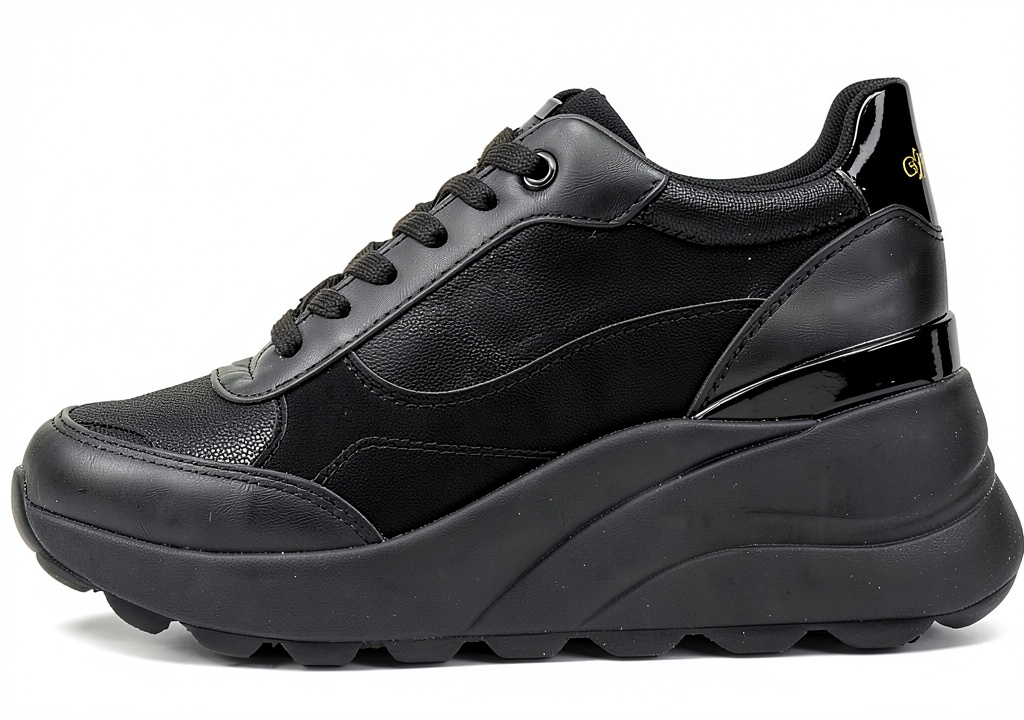 Geox Womens Sneakers Lace Fastening Removable Insole shown during city walking test on concrete pavement” />
Ease of Use
The lace system provides precise adjustability, though it takes some experimentation to find the ideal tension for your foot shape. The removable insole is genuinely useful—I tested swapping in custom orthotics and thicker wool insoles for winter, both fitting comfortably within the shoe’s volume.
Break-in time is minimal, with most flexibility achieved within the first few wears. However, the cushioning undergoes a subtle change during the first 10-15 hours of wear, firming slightly before settling into its long-term comfort profile. This isn’t a defect—it’s the materials compressing to your foot pattern—but it’s something first-time Geox wearers should anticipate.
Durability & Reliability
After two months of regular use, the outsoles show expected wear at the heels and balls of the feet, but the pattern remains clearly defined and functional. The uppers maintain their shape well, with no stretching or deformation observed even after repeated getting and removal.
The breathable membranes continue to function effectively, though they do require occasional brushing to maintain optimal airflow. One limitation: these aren’t designed for heavy rain conditions. While they handle light precipitation adequately, the extensive ventilation comes at the cost of water resistance.
Pros & Cons
What works well:
- Genuine impact reduction on hard surfaces that becomes more appreciated over distance
- Superior breathability prevents overheating during warm weather or extended wear
- Versatile styling transitions seamlessly between different contexts and outfits
- Removable insole system accommodates custom orthotics without compromising fit
- Consistent sizing across the range with reliable width for average feet
Where compromises exist:
- Moderate arch support may disappoint those requiring significant structural support
- Break-in period where cushioning firms before settling—not immediately cloud-like
- Limited weather resistance due to breathability-focused construction
- Heel fit may be loose for women with narrow heels without adjustment techniques
- Price positioning at nearly $100 places them above budget options while lacking premium features like leather construction
Comparison & Alternatives
Cheaper Alternative: Skechers GOwalk Series
At $65-75, Skechers GOwalk shoes offer immediate plush comfort through generous memory foam padding. The trade-off: this comfort often degrades faster, with many users reporting decreased support after 6-8 months of regular use. Choose Skechers if you prioritize initial comfort on a budget and don’t mind potentially replacing shoes more frequently. The Geox provides better long-term support and durability for the additional investment.
Premium Alternative: Ecco Soft Series
Ecco’s $150-180 range offers superior leather construction, more refined styling for professional environments, and often better weather resistance. However, the comfort approach differs—Ecco focuses on anatomical footbeds and leather flexibility rather than impact absorption. Choose Ecco if you need more formal appearance, have wider feet, or value leather durability. The Geox delivers better impact protection for hard-surface walking at a lower price point.
When to Choose Each
Go with Geox when you need reliable impact reduction for daily urban walking, value breathability in warm conditions, and want shoes that balance technical function with casual style.
Choose Skechers when budget is primary concern and you prioritize immediate plush comfort over long-term durability.
Invest in Ecco when you need more professional styling, prefer leather construction, or have foot characteristics benefiting from anatomical design.
Buying Guide / Who Should Buy
Best for Beginners
If you’re new to comfort-focused footwear, the Geox sneakers provide a excellent introduction to technical walking shoes without overwhelming features. The straightforward lace system, true-to-size fit, and gradual break-in make them accessible. Beginners appreciate the versatility that works across multiple activities without requiring shoe changes.
Best for Experienced Users
Seasoned comfort shoe wearers will appreciate the specific engineering behind the Zero Shock system—it addresses a different aspect of comfort than memory foam or gel technologies. The removable insole system allows customization that generic sneakers lack, making these suitable for those who already understand their specific support needs.
Not Recommended For
Avoid these if you: require maximum arch support for high arches, need waterproof footwear for all-weather conditions, participate in high-impact activities beyond walking, or have very narrow heels that don’t respond to lacing adjustments. Also consider alternatives if you prefer immediately soft cushioning over supportive firmness.
FAQ
Are Geox Zero Shock sneakers worth the price compared to cheaper alternatives?
For urban walkers and those spending significant time on hard surfaces, yes—the engineering provides genuine impact reduction that cheaper foam-based shoes can’t match. However, if you primarily walk on softer surfaces or prioritize initial plush feel over long-term support, budget options may suffice.
How do these compare to other comfort brands like Clarks or Rockport?
Geox focuses more on technical impact absorption, while Clarks emphasizes traditional comfort through leather flexibility and Rockport targets professional styling. Those needing specific joint relief may prefer Geox, while office workers wanting dressier options might choose Rockport, and those preferring broken-in leather comfort might select Clarks.
Can I use custom orthotics with these sneakers?
Yes—the removable insoles provide ample depth for most custom orthotics. The lace system allows additional volume adjustment, making these among the better mainstream sneakers for orthotic users. Test with your specific orthotics if possible, as exceptionally thick devices may require sizing up.
How long until I experience the full comfort benefits?
Most users notice immediate improvement over standard sneakers, but the complete adaptation to the Zero Shock system and materials settling occurs over 10-15 hours of wear. Don’t judge the comfort based solely on trying them in your home—walk a significant distance before making final decisions.
Are these suitable for people with plantar fasciitis?
The impact reduction helps, but the standard arch support may be insufficient for severe plantar fasciitis. These work best for mild to moderate cases when paired with appropriate orthotics. Those with significant arch collapse or severe symptoms should consult a specialist before relying on any over-the-counter solution.