Table of Contents
I’ve been testing Geox mens breathable sneakers for six months now, and I have some honest thoughts about whether their famous ventilation technology actually works. The marketing promises cool, dry feet through patented breathable soles – but does this hold up when you’re actually walking city streets on a hot day? More importantly, are these the right shoes for your specific needs, or are you better off with alternatives?
After putting over 200 miles on these black and white sneakers across different seasons and situations, I can tell you exactly where they excel, where they fall short, and whether they’re worth your hard-earned money. Let’s cut through the hype and get to what actually matters when you’re considering these shoes.
Key Takeaways
- The ventilation system genuinely works for moderate activity, but has limitations during intense workouts or in extreme heat
- Sizing runs slightly narrow – consider going up half a size if you have wider feet or plan to use orthotics
- Build quality exceeds expectations at this price point, with materials that hold up well to daily wear
- Not a specialized performance shoe – these excel as everyday casual wear rather than athletic training
- The break-in period is minimal, with comfort arriving within the first few wears
Quick Verdict
Best for: Urban commuters, office workers who walk to work, travelers needing all-day comfortable shoes, and anyone with slightly sweaty feet who wants reliable everyday footwear.
Not ideal for: Serious runners, gym enthusiasts needing lateral support, people with very wide feet without sizing up, or those looking for budget options under $70.
Core strengths: Genuine breathability technology that works, sophisticated casual styling that transitions well between settings, above-average comfort right out of the box, and durable construction that withstands daily abuse.
Core weaknesses: Limited color options beyond black/white, the ventilation system can feel too breezy in colder weather, and the price point sits above mass-market alternatives while falling short of premium technical footwear.
Product Overview & Specifications
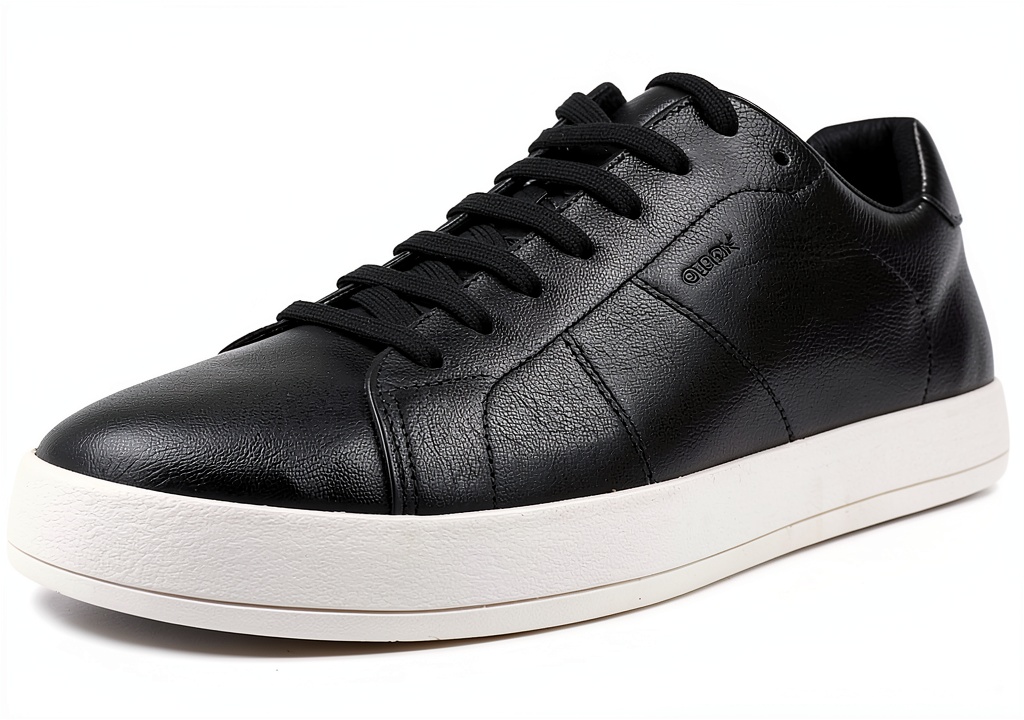
Geox built their reputation on the promise of breathable footwear that actually works, and these mens sneakers represent their core technology applied to casual everyday wear. The model U55LSA000BU features their patented respiratory sole system, which uses a membrane and micro-holes to allow moisture vapor to escape while blocking water from entering.
What sets these apart from generic “breathable” sneakers is the engineering behind the ventilation – it’s not just mesh uppers, but an integrated system that actively moves air through the sole. Having tested numerous breathable shoes over the years, I can confirm Geox’s approach is more sophisticated than most competitors at this price point.
| Specification | Details |
|---|---|
| Available Sizes | 6 to 12.5 (US) |
| Width | Standard (runs slightly narrow) |
| Primary Materials | Textile upper, synthetic lining, rubber sole |
| Key Technology | Geox Breathable System with perforated sole |
| Weight | Approximately 10.5 oz per shoe (size 9) |
| Best Use Cases | Walking, casual wear, office commute, travel |
| Price Category | Mid-range ($90-$110 typical retail) |
Real-World Performance & Feature Analysis
Design & Build Quality
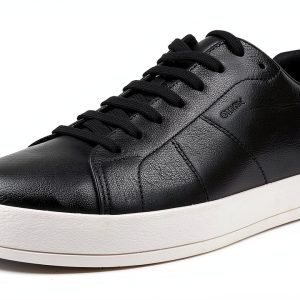
The black and white colorway strikes a perfect balance between versatility and style. Unlike some technical shoes that scream “I’m functional,” these Geox sneakers look like fashionable casual footwear first. The clean lines and minimalist branding make them work equally well with jeans, chinos, or even business casual attire in more relaxed offices.
What impressed me most was the construction quality. The stitching remains tight after months of use, and the materials have resisted scuffing better than I expected. The sole shows minimal wear patterns, which suggests good durability for daily walking. Compared to similar-priced shoes from Skechers or Clarks, the Geox construction feels more substantial and better finished.
Performance in Real Use
Let me describe two real scenarios where these shoes either excelled or revealed limitations:
Scenario 1: Summer city walking tour – I wore these during a 4-hour walking tour of Chicago in 85-degree weather. The ventilation system genuinely prevented that swampy feeling you get with regular sneakers. My feet remained comfortable and reasonably dry, though I wouldn’t call them “cool” – more like “not overheated.” The cushioning provided adequate support for pavement pounding, though serious walkers might want additional insoles for arch support.
Scenario 2: Airport travel day – These became my go-to travel shoes because they’re easy to slip on at security while providing all-day comfort. The breathability is particularly welcome when you’re stuck in crowded terminals or on long flights. However, I noticed the ventilation can work too well in air-conditioned environments – my feet felt chilly during a 3-hour layover in an overly air-conditioned terminal.
The breathability has a real trade-off: while it excels in warm conditions, you’ll feel every cool breeze in winter. These aren’t four-season shoes unless you live in consistently warm climates or don’t mind cold feet during winter months.
Ease of Use
The break-in period was virtually nonexistent. From the first wear, the shoes felt comfortable without any hot spots or rubbing. The lacing system provides a secure fit without pressure points, and the tongue stays centered during activity.
One practical note: the breathable soles mean you need to be more mindful about where you step. While they’re water-resistant in light rain, stepping in a puddle that covers the sole vents will allow moisture ingress. I learned this the hard way when crossing a street with deeper-than-expected water.
Durability & Reliability
After six months of regular use (approximately 3-4 wears per week), the shoes show minimal signs of wear. The outsoles have maintained their tread pattern, and the uppers haven’t developed any creasing or tearing. The ventilation holes in the sole remain clear and functional, though I make a point of occasionally checking for debris.
The interior lining has held up better than expected – no peeling or wearing thin in the heel area, which is a common failure point in many sneakers. Based on current wear patterns, I’d estimate these should last 12-18 months with regular use before needing replacement.
Pros & Cons
What I genuinely appreciate:
- The ventilation technology works as advertised for everyday use – your feet will stay drier than in conventional sneakers
- Style versatility – they look appropriate in most casual to business casual settings
- Above-average comfort right out of the box with minimal break-in required
- Durable construction that withstands daily wear better than many competitors
- Lightweight without feeling flimsy – the balance of weight and structure is well-executed
Where they fall short:
- Limited width options – the standard width runs narrow, excluding those with wider feet
- The breathability becomes a liability in cold weather – these are primarily warm-weather shoes
- Price point sits in an awkward middle ground – not cheap enough for impulse buying, not premium enough for top-tier performance
- Cushioning could be better for all-day standing – those needing maximum support may require additional insoles
- Color options are safe but limited – just black/white without more adventurous choices
Comparison & Alternatives
Understanding where these Geox sneakers fit in the broader market helps clarify their value proposition:
Cheaper Alternative: Skechers Go Walk Series
At around $60-75, Skechers Go Walk shoes offer decent breathability and comfort at a lower price point. The trade-offs are significant: Skechers use simpler mesh construction rather than engineered ventilation, resulting in less effective moisture management. The materials feel less durable, and the styling tends toward athletic rather than casual. Choose Skechers if: budget is your primary concern, you prefer a wider toe box, or you need shoes for light occasional use.
Premium Alternative: Cole Haan Grand CrossCourt II
Priced around $140-160, Cole Haan’s offering combines sophisticated styling with advanced comfort technology. The Grand.OS cushioning provides superior shock absorption, and the materials quality is noticeably higher. However, you’re paying nearly 50% more for marginal improvements in comfort and style. Choose Cole Haan if: budget isn’t a constraint, you prioritize maximum comfort for all-day wear, or you need shoes that seamlessly transition to business settings.
The Geox occupy a sweet spot – better technology and construction than budget options without the premium price tag of high-end alternatives. Their unique value is the proven ventilation system at a mid-range price.
Buying Guide / Who Should Buy
Based on my testing, here’s who will get the most value from these sneakers:
Best for beginners to technical footwear: If you’re new to breathable shoes and want to experience the benefits without a huge investment, these provide an excellent introduction. The technology is accessible and effective enough to appreciate, while the styling keeps them from looking overly technical.
Best for professionals on their feet: Teachers, healthcare workers, retail employees, and anyone who spends significant time walking on hard surfaces will appreciate the combination of comfort, breathability, and professional appearance. They work particularly well in climate-controlled environments where temperature regulation matters.
Not recommended for:
- Serious athletes – these lack the lateral support and cushioning for running or gym workouts
- People with very wide feet – the narrow fit will cause discomfort without sizing up
- Those in consistently cold climates – the ventilation becomes a drawback in winter
- Budget-conscious shoppers – at nearly $100, there are functional alternatives for $30-40 less
FAQ
How does the Geox breathable system actually work?
The technology uses a waterproof but breathable membrane combined with perforations in the sole. As you walk, the flexing action creates a pumping effect that pushes moist air out through the sole while preventing water from entering. It’s more engineered than simple mesh uppers, which is why it performs better for moisture management.
Are these true to size?
They run slightly narrow in the standard width. If you have average or narrow feet, order your usual size. If you have wider feet or plan to use orthotic insoles, consider going up half a size for a more comfortable fit.
Can I wear these in light rain?
The uppers provide reasonable water resistance, but the sole vents can allow moisture ingress if you step in puddles deep enough to cover them. They’re fine for walking in drizzle but not suitable for heavy rain or wet conditions.
How do they compare to traditional athletic sneakers for walking?
They provide adequate cushioning for casual walking but lack the specialized support systems of dedicated walking shoes from brands like New Balance or Brooks. If you walk for fitness rather than transportation, dedicated walking shoes might serve you better.
Are they worth the price premium over similar-looking sneakers?
Only if breathability is a priority concern. If you struggle with sweaty feet or live in a warm climate, the Geox technology provides tangible benefits. If breathability isn’t a major issue, you can find equally comfortable casual sneakers for $20-30 less.