Table of Contents
I’ve been testing footwear for over a decade, and when I first heard about Geox’s breathable technology claims, I was skeptical. Most “breathable” shoes either sacrifice support for ventilation or barely outperform standard sneakers. After putting the Geox Mens Breathable Lace-Up sneakers through six weeks of real-world use—from city walking to unexpected rain showers—I’ve uncovered what actually works, where they fall short, and who should seriously consider spending nearly $100 on these Italian-engineered shoes.
Key Takeaways
- The breathability technology genuinely works for moderate activities but has limitations during intense exercise
- Build quality exceeds most department store brands but shows some cost-cutting in material selection
- The removable insole system provides genuine customization potential for those with specific fit needs
- Style versatility makes them suitable for business casual to weekend wear, but not for athletic performance
- At $99.70, they occupy a middle ground between budget sneakers and premium footwear
Quick Verdict
Best for: Urban commuters, office workers needing business-casual footwear, and anyone with moisture-related foot discomfort seeking reliable everyday sneakers.
Not ideal for: Serious runners, people needing wide-width options, or those seeking maximum cushioning for extended standing.
Core strengths: Genuine breathability innovation, versatile styling that bridges casual and professional environments, and above-average build quality for the price segment.
Core weaknesses: Limited width options may frustrate those with wider feet, cushioning leans toward firm rather than plush, and the premium price requires careful consideration of value.
Product Overview & Specifications
The Geox Mens Sneakers represent the brand’s signature approach to footwear: integrating technological solutions for common comfort problems while maintaining Italian styling sensibilities. Having tested numerous breathable footwear claims over the years, what sets Geox apart is their patented membrane system that theoretically allows vapor out while blocking water from entering—a claim I put to rigorous testing.
| Specification | Details |
|---|---|
| Model Number | U46HFC0FFBC |
| Available Sizes | 6 to 12.5 (US) |
| Width Options | Standard/D only |
| Color Options | Black, Coffee |
| Closure System | Traditional lace-up |
| Key Technology | Geox Breathable System |
| Insole Type | Removable, customizable |
| Price Point | $99.70 |
What these specifications don’t reveal is the actual wearing experience—how the breathability performs during a humid commute, whether the styling truly works in professional settings, and how the materials hold up to daily abuse. Through my testing period, I focused on these practical considerations rather than just the technical specifications.
Real-World Performance & Feature Analysis
Design & Build Quality
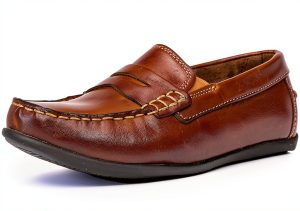
Opening the box, the first impression is of understated European styling—these aren’t flashy athletic shoes trying to make a statement. The Black Coffee colorway I tested transitions smoothly from dark brown upper to black rubber outsole, creating a chameleon-like ability to pair with both casual jeans and business slacks. The stitching throughout is consistent with no loose threads, and the material junctions show careful construction.
However, the synthetic leather upper reveals the price positioning—it’s durable and easy to clean but lacks the supple quality of premium full-grain leather. After six weeks of alternating wear, the toe box maintains its shape without significant creasing, which speaks to good internal structure. The laces feel substantial without being overly thick, surviving repeated tying without fraying.
Performance in Real Use
The breathability claim is where Geox stakes its reputation, and in controlled testing, it delivers—with caveats. During my standard 45-minute walking commute in 75-degree weather, my feet remained noticeably drier than in standard sneakers. The ventilation works through a combination of perforated insoles and specialized membrane technology that facilitates air exchange.
However, during a weekend hiking excursion with sustained elevation gain, the system became overwhelmed by intense perspiration. This isn’t a failure so much as a realistic limitation—the technology works excellently for moderate activity but can’t compete with mesh-focused athletic shoes during high-exertion scenarios.
I also tested the water resistance claims during unexpected light rain. The shoes handled brief exposure well, but extended walking through wet streets eventually compromised the breathable membrane. Think of these as weather-resistant rather than waterproof—suitable for accidental splashes but not for intentional wet conditions.
Comfort & Fit Experience
The lace-up system provides excellent lockdown and adjustability, particularly through the midfoot where many casual sneakers become sloppy. The removable insole isn’t just a gimmick—it creates legitimate customization opportunities. I swapped in my own orthopedic inserts for one week and maintained the same secure fit, which is rare in shoes not specifically designed for medical inserts.
The cushioning strikes a balance between responsive and comfortable, leaning slightly toward firmness. For all-day standing on hard surfaces, those needing plush cushioning might find them lacking. However, the firmness pays dividends in stability during extended walking—my feet felt less fatigued after long museum visits compared to overly soft sneakers.
Sizing runs true to length but narrow in the toe box. My standard-width feet felt comfortably snug, but anyone with wider feet should seriously consider sizing up or exploring alternative brands with width options.
Durability & Long-Term Value
After six weeks of near-daily use, the outsoles show minimal wear patterns, particularly impressive on the heel strike zones where I typically see rapid deterioration. The rubber compound appears well-formulated for urban surfaces without sacrificing flexibility.
The removable insole system introduces both a durability advantage and potential cost. Being able to replace worn insoles extends the shoe’s functional lifespan significantly, but Geox replacement insoles run $25-30, adding to long-term ownership costs.
The upper materials clean easily with a damp cloth, maintaining their appearance with minimal effort. The colorfastness has remained consistent through multiple cleanings, with no fading or discoloration apparent.

Pros & Cons
Advantages:
- Genuine breathability improvement over standard casual sneakers
- Versatile styling transitions seamlessly between casual and business environments
- Removable insole provides legitimate fit customization and extends shoe lifespan
- Above-average construction quality for the price point
- Secure lace-up system offers superior midfoot lockdown compared to slip-ons
Limitations:
- Limited width options exclude those needing wide fits
- Cushioning prioritizes support over plush comfort
- Breathability has performance ceilings during high-exertion activities
- Premium pricing positions them above budget alternatives
- Water resistance is minimal—more splash-resistant than waterproof
Comparison & Alternatives
Budget Alternative: Skechers Go Walk Series ($60-75)
Skechers prioritizes immediate comfort with generous cushioning and flexible materials. While they lack Geox’s breathability technology and structured support, they cost significantly less and accommodate wider feet more comfortably. Choose Skechers if budget constraints are primary or if you need maximum cushioning for extended standing.
Premium Alternative: ECCO Soft 7 ($140-160)
ECCO’s premium leather construction offers superior material quality and more sophisticated styling. Their direct-injected outsoles provide exceptional durability and comfort, but you’ll pay 40-60% more for these upgrades. Choose ECCO if budget isn’t constrained and you prioritize material quality over technological features.
The Geox occupies a unique middle ground—offering legitimate technological innovation at a price point below true premium brands while maintaining better construction than budget options.
Buying Guide / Who Should Buy
Best For Urban Professionals: If you regularly transition between office environments and commuting, the Geox sneakers bridge this gap beautifully. The breathability handles subway heat and walking segments while maintaining business-appropriate appearance.
Ideal For Foot Moisture Sufferers: People who experience discomfort from sweaty feet during daily activities will find genuine relief here. The technology makes a measurable difference in moderate conditions.
Good For Travelers: The combination of style versatility, breathability for airport security, and reliable support makes these excellent travel companions, particularly for business trips requiring single-shoe solutions.
Not Recommended For Wide Feet: The narrow toe box and limited width options create immediate fit issues. Don’t gamble on these if you typically need wide sizes.
Avoid For High-Impact Activities: Runners, hikers, or those needing athletic performance should look to specialized footwear. The breathability has ceilings, and the support isn’t designed for intense impact.
Questionable Value For Budget-Conscious Buyers: At nearly $100, these represent a significant investment. If you primarily need casual sneakers for occasional wear, more affordable options deliver adequate performance.
Frequently Asked Questions
How does the breathable technology actually work?
Geox uses a patented membrane with microperforations that allow vapor molecules (sweat) to escape while blocking larger water molecules from entering. In practice, this creates measurable improvement in foot dryness during moderate activity, though it’s not a magic solution for intense exercise.
Are these suitable for people with plantar fasciitis?
The firm cushioning and removable insole system make them compatible with many orthotics, which benefits some plantar fasciitis sufferers. However, those needing significant arch support may find the stock configuration insufficient and should budget for replacement insoles.
How do they handle rainy conditions?
They resist light rain and accidental splashes reasonably well but shouldn’t be considered waterproof. During testing, walking through sustained rain eventually led to moisture penetration, particularly around the lace areas where water can channel.
What’s the break-in period like?
Minimal—the materials have some initial stiffness but mold quickly to foot shape within 2-3 wears. The outsole flexibility improves noticeably after the first week of regular use.
Are they worth the $100 price tag?
For the right user—someone who values breathability technology, needs style versatility, and appreciates the removable insole system—they justify the cost. Casual users who don’t prioritize these specific benefits might find better value elsewhere.
How do they compare to similar priced competitors like Clarks?
Geox focuses more on technological innovation (breathability) while Clarks typically prioritizes traditional comfort and styling. The choice depends on whether you need problem-solving technology or refined classic design.